dog
The dog is a minor but resonant presence in the man and the boy's journey through the post-apocalyptic landscape, appearing in memory, in a fleeting encounter, and in the boy's persistent ethical imagination. It functions as a measure of the boy's unbroken capacity for empathy and as a counterpoint to the world's relentless cruelty, a creature whose fate crystallizes the moral choices that define the father and son as 'the good guys.'
Memory and the Early Years
The most detailed account of a dog comes from the man's memory of the early years after the catastrophe. A dog followed them for two days. The man tried to coax it to come, but it would not. He even made a noose of wire to catch it, though he had only three cartridges in the pistol and none to spare. The wife walked away down the road, and the boy looked after her, then at the man, then at the dog, and began to cry and to beg for the dog's life. The man promised he would not hurt the dog. It was a trellis of a dog with the hide stretched over it. The next day it was gone. This memory is the dog that the boy remembers; he does not remember any little boys from that time, a detail that underscores how the dog's fate has become a foundational story of mercy and loss for the child.
The Bark in the Town
Later in their journey, as they approach a small town at dusk, the man hears a dog bark in the distance. The boy, immediately anxious, asks if they are going to kill it. The man reassures him, saying, "No. We're not going to kill it." He bends over and kisses the boy on his gritty brow and promises, "We wont hurt the dog." The dog barks only once more, and they never hear it again. This brief encounter, occurring just after the boy has seen a face of another child across the road, reinforces the boy's instinct to protect the innocent and the man's commitment to honoring that instinct, even when survival is precarious.
The Dog as a Symbol of the Boy's Compassion
The dog is not merely a remembered animal; it becomes a template for the boy's moral reasoning. When the boy sees a little boy across the road and later begs his father to go back for him, he frames the argument by invoking the dog: "We could get him and take him with us. We could take him and we could take the dog. The dog could catch something to eat." The boy's willingness to share his half of the food with the other child and his desire to include the dog reveal a vision of community that the man cannot afford to entertain. The dog, in the boy's mind, is a potential ally, a creature that could contribute to their survival, not just a burden. This stands in stark contrast to the man's pragmatic, survival-driven worldview, which sees every extra mouth as a threat.
The Dog's Absence and the Boy's Moral Growth
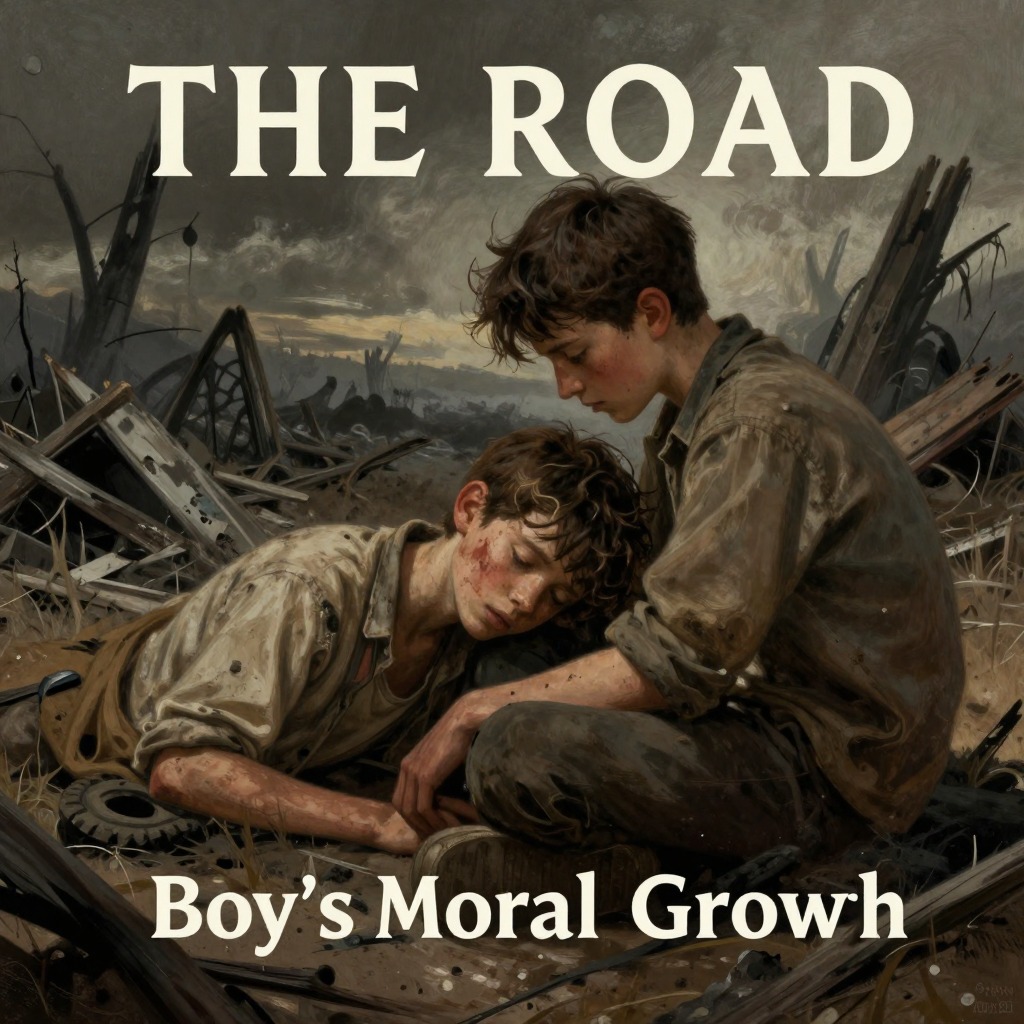
The dog never reappears in the narrative, but its absence is felt in the boy's later moral struggles. When the man forces a starving thief to strip naked and leave him to die in the road, the boy sobs, "He was just hungry, Papa. He's going to die." The man, in his desperation, has violated the implicit promise of mercy that the dog's life once represented. The boy's final, quiet assertion—"But we did kill him"—shows that he has internalized the lesson of the dog: that the measure of goodness is not just in surviving, but in how one treats the most vulnerable. The dog, in its brief, hungry, and ultimately spared life, becomes a silent witness to the boy's unwavering commitment to compassion, a commitment he carries with him even after his father's death, when he asks the stranger who finds him, "Are you carrying the fire?"